
Enquire for your South West Property Today
Grain Storage Solutions That Prevent Moisture and Pest Damage
Our grain storage sheds are engineered to provide optimal protection for your valuable harvest.
We understand that proper grain storage is crucial to maintaining quality and preventing losses from moisture, pests, and temperature fluctuations.
We offer:
- Custom designs to accommodate your specific storage capacity needs
- Flexible layouts that optimise loading and unloading operations
- Durable construction using Australian-made materials
- Weather-resistant structures that protect against WA’s harsh conditions
- Compliance with all relevant agricultural storage regulations
“Great product, service and communication, couldn’t be happier!”

YEH Events
Essential Design Features for Optimal Grain Quality and Access
Our grain storage facilities are designed with practical features that enhance functionality and durability:
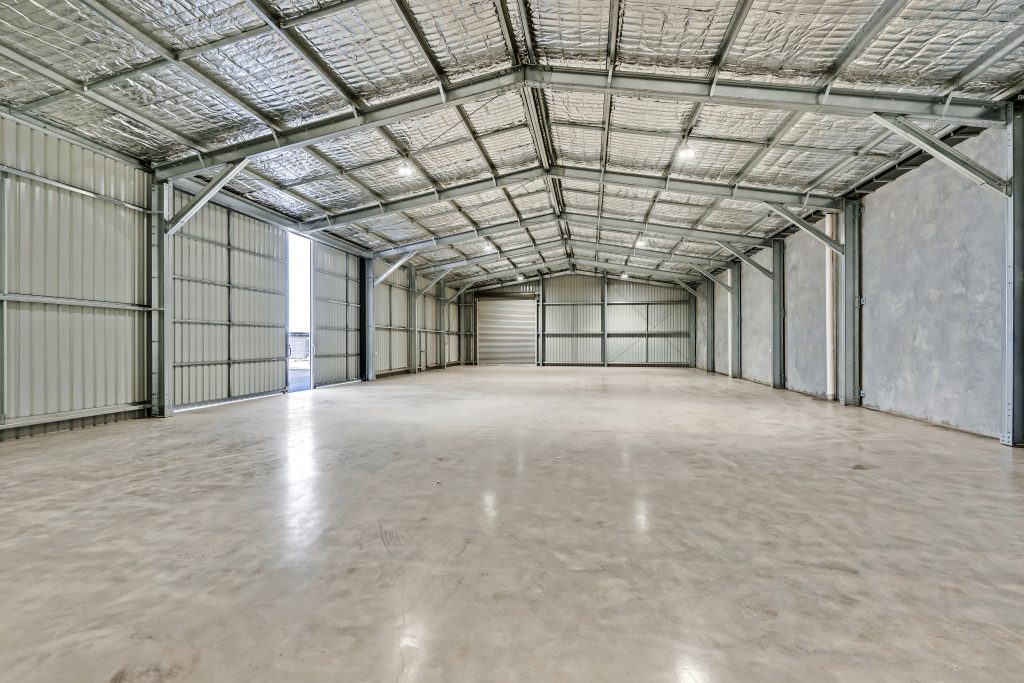
Wide-span designs that maximise internal storage space
High clearance options for machinery access
Superior ventilation systems to maintain grain quality
Heavy-duty structural components to support significant grain loads
Optional concrete bunker walls for flexible storage configurations
Gallery of Our Shed Builds in South West WA





Built for Western Australian Conditions
We design our grain sheds specifically for the unique challenges of Western Australian farming. Our structures are engineered to withstand:
High wind loads that are common in rural WA
Extreme temperature variations
Heavy rainfall during wet seasons
Prolonged sun exposure and UV damage
Our Build Process – From Design to Completion
Our comprehensive service covers every aspect of your grain storage project:

Initial consultation to understand your requirements

Custom design development with 3D modelling

Council approvals assistance

Site assessment and preparation

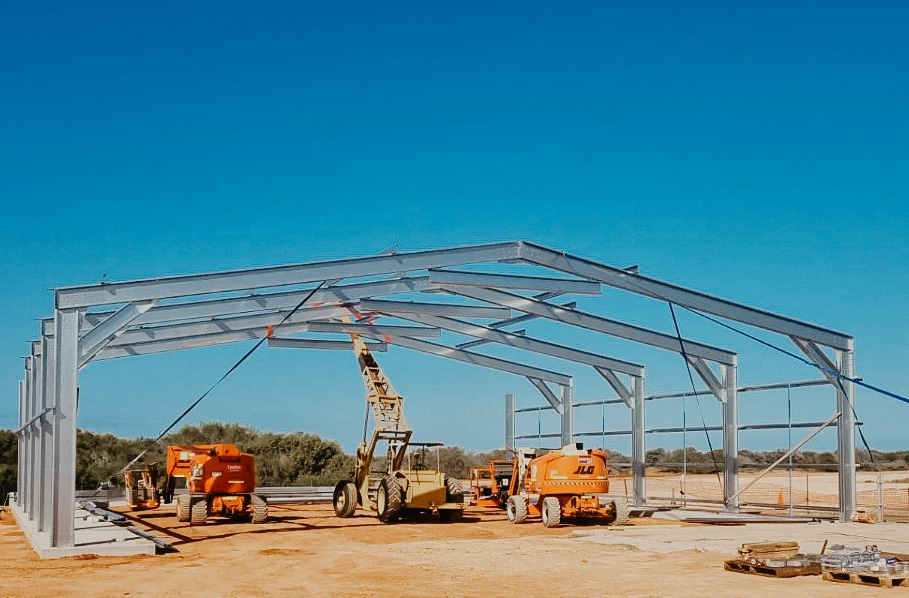
Professional construction by our experienced team

Final inspection and handover
“Nothing was a problem, erected the shed in the time frame that he said & kept us updated along the way…”

Kim Arrowsmith
Grain Storage Solutions Throughout South West WA
Based in Vasse, our team provides grain storage solutions throughout Busselton, Margaret River, Bunbury, and the entire South West region of Western Australia. We’ve worked with operations of all sizes, from family farms to large agricultural enterprises.
Contact us today to discuss your grain storage requirements and receive a customised quote for your project.
Frequently Asked Questions
1. What size grain shed do I need for my operation?
The size depends on your specific storage requirements, including annual yield, types of grain stored, and machinery access needs. As a general rule, allow approximately 1.3 cubic metres of space per tonne of grain. Our team can help calculate the optimal dimensions based on your operation’s unique needs.
2. How long does it take to build a grain storage shed?
Construction timelines vary based on the size and complexity of your project. Typically, a standard grain shed takes 4-8 weeks from approval to completion. We’ll provide a detailed timeline during the consultation phase, accounting for site preparation, construction, and finishing work.
3. What flooring options are available for grain sheds?
We offer several flooring solutions, including reinforced concrete slabs, asphalt, and compacted gravel bases. The best option depends on your budget, intended use, and local soil conditions. Our concrete floors can be designed with specific load ratings to accommodate heavy machinery and significant grain weights.
4. Can you incorporate grain handling equipment into the shed design?
Yes, we design our sheds to accommodate your specific grain handling equipment. We can create layouts that optimise the placement of augers, conveyors, and other machinery, with appropriate access points and clearances. We’ll work with your equipment suppliers to ensure perfect integration.
5. How do your grain sheds protect against moisture and pests?
Our sheds feature strategic ventilation systems that control humidity while preventing water ingress. We use quality sealing methods at all joints and can incorporate pest-resistant features such as sealed entry points and appropriate foundation designs. Optional additions include moisture barriers and specialised treatment of structural components.