Enquire for your South West Property Today
“Great product, service and communication, couldn’t be happier!”

YEH Events
Customised Dairy Shed Solutions: Milking Sheds, Feed Storage & Calf Facilities
Every dairy operation has specific needs based on herd size, management practices, and site conditions. Our team works closely with you to design dairy infrastructure that enhances operational efficiency while prioritising animal welfare.
Our dairy farm structures include:
Milking sheds with efficient layouts for smooth cow flow
Feed storage buildings designed to maintain fodder quality
Machinery and equipment storage to protect valuable assets
Calf rearing facilities with appropriate ventilation and shelter
Multi-purpose farm buildings adaptable to changing needs
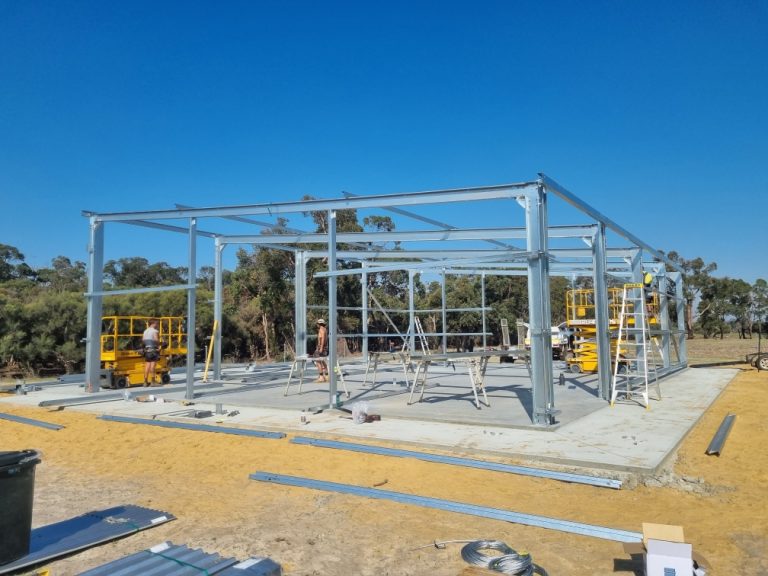
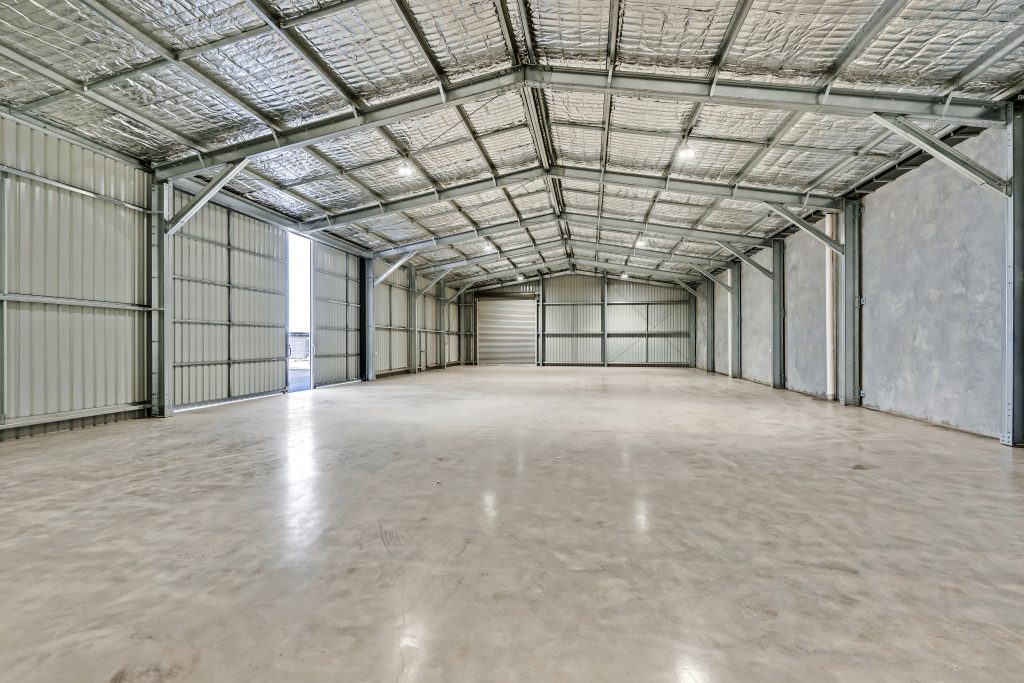
Gallery of Our Shed Builds in South West WA




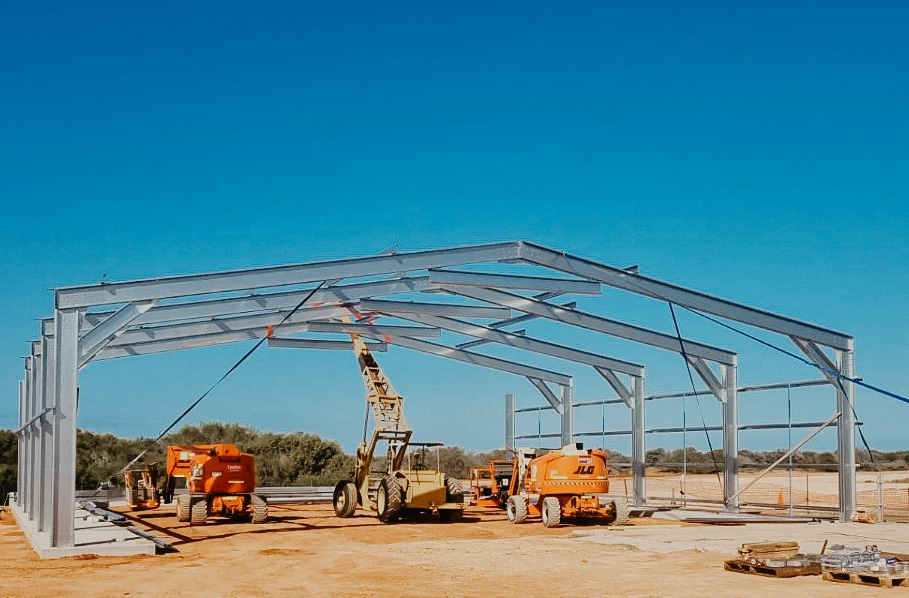

Corrosion-Resistant Design for High-Moisture Dairy Environments
Dairy environments present unique challenges, from high moisture levels to the corrosive effects of animal waste. We select materials specifically suited to these conditions, ensuring your investment stands the test of time.
Our dairy sheds feature:
Corrosion-resistant structural components
Heavy-duty framing to support equipment and storage loads
Premium-grade cladding with superior weather resistance
Ventilation systems tailored to livestock requirements
Durable concrete flooring options designed for easy cleaning
Our Build Process – From Design to Completion
Our comprehensive service ensures a seamless experience from initial concept through to the finished structure:

Initial consultation to understand your requirements

Custom design development with 3D modelling

Council approvals assistance

Site assessment and preparation

Professional construction by our experienced team

Final inspection and handover
“Nothing was a problem, erected the shed in the time frame that he said & kept us updated along the way…”

Kim Arrowsmith
Trusted by South West Dairy Producers
Our reputation is built on delivering agricultural structures that perform in real-world farming conditions.
We understand the pressures and priorities of dairy operations and design solutions that contribute to your business success. Contact our team today to discuss your dairy shed requirements or request a no-obligation quote.
Frequently Asked Questions
1. What size dairy shed do I need for my operation?
The ideal size depends on your herd size, milking system, and future growth plans. As a general guide, allow approximately 10-12 square metres per milking station in a herringbone setup, plus additional space for milk storage, equipment, and staff areas. Our team can assess your specific requirements during an on-site consultation to recommend the most efficient dimensions.
2. How long does it take to build a dairy shed?
Construction timeframes vary based on the complexity and size of your project. A standard dairy shed typically takes 6-10 weeks from approval to completion. This includes site preparation, foundation work, structural assembly, and installation of specialised dairy equipment. Weather conditions and council approval processes may affect this timeline.
3. What flooring options are best for dairy sheds?
We recommend reinforced concrete flooring with appropriate fall for drainage in milking and processing areas. The concrete should be finished with a non-slip texture to prevent livestock injuries while remaining easy to clean. For feed storage areas, we can design appropriate flooring based on your specific storage and handling methods.
4. Can you incorporate specific dairy equipment into the shed design?
Yes, we design our dairy sheds around your chosen milking system and equipment requirements. Whether you’re using a herringbone, rotary platform, or robotic milking system, we’ll create a structure that accommodates the specific dimensions and service requirements of your equipment, including power, water, and access considerations.
5. Are your dairy sheds compliant with industry regulations?
Absolutely. We design all our dairy facilities to comply with current industry standards, including Dairy Australia guidelines and local council requirements. Our structures meet specifications for animal welfare, milk quality assurance, workplace safety, and environmental management. We can also incorporate specific features to help you meet quality assurance program requirements.